
In the realm of healthcare, some practitioners stand out not only for their exceptional medical expertise but also for their profound understanding of the human experience. Dr. Andromeda Stevens is one such luminary, a leading specialist in scoliosis care who goes beyond the conventional boundaries of medical practice. In this exclusive interview, we delve into the world of scoliosis and its often overlooked psychological toll. Dr. Stevens sheds light on her holistic approach to scoliosis care, emphasizing the critical importance of addressing the emotional well-being of her patients. Through insightful conversations and firsthand accounts from those whose lives she has touched, we uncover the transformative power of her compassionate and comprehensive approach to healing. Join us as we embark on a journey to understand not just the medical aspects of scoliosis but also the profound impact it has on the human spirit, guided by Dr. Andromeda Stevens’ expertise and unwavering commitment to her patients’ holistic well-being.
How does scoliosis impact the mental health and emotional well-being of individuals, particularly during the diagnosis and treatment phases?
Answer: Experiencing scoliosis, regardless of age, often elicits a range of emotions. It’s common to initially feel a sense of surprise and concern upon receiving the diagnosis. The uncertainty about what lies ahead can lead to questions like, “What should I do next?” or “How will this affect my future, or my child’s future?” During these moments, it’s crucial to recognize that scoliosis, while challenging, is a condition with a path to treatment and management.
As a medical professional with a focus on scoliosis care, I emphasize the importance of addressing these concerns promptly, thoughtfully, and empathetically. A scoliosis diagnosis can indeed be daunting, but it’s essential to assemble a dedicated healthcare team that can guide you through every stage of diagnosis and treatment. This approach can significantly alleviate the stress and anxiety associated with scoliosis.
When you have the right team in place and a well-defined action plan, you’ll feel empowered with knowledge and confidence in your treatment journey. It’s worth noting that scoliosis is more common than you might think, and many individuals are navigating similar experiences. Connecting with others who share your journey can provide invaluable support and insights.
Could you describe your holistic approach to addressing the psychological aspects of scoliosis in your patients?
Answer: Certainly, addressing the psychological aspects of scoliosis is a vital component of our approach. Firstly, I inquire whether my patients have had the opportunity to view their X-rays and have received a comprehensive explanation of their condition. Often, they haven’t, leading to feelings of confusion and unease. It’s imperative that they gain a thorough understanding of their situation, delivered with empathy and clarity.
My practice starts with a detailed explanation of their complete X-ray, providing insight into the nuances of their spinal condition. Before proceeding, I ensure that all their questions and concerns are addressed comprehensively.
In some cases, patients may have consulted orthopedists or spine specialists who suggested surgery as the sole option. This can be an understandably terrifying prospect. It’s essential to convey that alternatives exist. Techniques such as bracing and scoliosis-specific exercise protocols have yielded remarkable results in numerous cases.
The decision regarding scoliosis treatment is pivotal, and it’s crucial to explore all options carefully and thoughtfully. Surgery is impactful, and we want our patients to make informed choices. In my specialty, which focuses on scoliosis-specific exercises, we empower patients with techniques to manage their pain and gain control over their condition. This empowerment instills confidence and provides a sense of having discovered an essential aspect of their health that was previously undisclosed.
Are there specific psychological challenges that patients with scoliosis commonly face, and how do you tailor your treatment to address these challenges?
Answer: Patients with scoliosis often confront a range of psychological challenges, each unique to their circumstances. These challenges can include concerns about their physical appearance, persistent pain that has not responded to previous treatments, doubts about the origin of their pain, anxiety arising from being told surgery is the only option, or, in the case of children, adapting to wearing a scoliosis brace and the social and physical adjustments that come with it.
My approach is highly individualized. I recognize that each patient’s psychological needs and circumstances differ. As a scoliosis coach, I work with patients of all ages, addressing their concerns at every phase of treatment. Key to this approach is the provision of comprehensive information. I draw upon solid research and my experience to arm patients with knowledge, offering them a newfound sense of assurance and understanding.
Could you share insights from interviews with patients who have benefited from your holistic approach to scoliosis care, particularly in terms of their mental and emotional well-being?
Answer: I have been fortunate to witness remarkable transformations in the health and well-being of my patients, both adults and children, through our comprehensive scoliosis care, which incorporates the Schroth Method.
For our adult patients who have endured chronic and seemingly insurmountable pain, our treatments have provided profound relief and improvements in their quality of life. Even those who were previously told that a brace would be of no help have experienced significant pain reduction and spinal stabilization through the use of adult braces, tailored to their needs.
In our work with children, we have seen remarkable progress throughout the bracing process. Through targeted exercises and proper bracing, children have not only achieved spinal curvature reduction but have also experienced a renewed sense of physical well-being.
Furthermore, for those children who aimed to avoid braces altogether, we have successfully employed exercise and postural reeducation, avoiding the need for bracing while promoting healthy spinal development.
In instances where children have required surgery and lacked access to physical therapy, we have implemented a specialized post-fusion rehab program, combining the Schroth Method with Pilates. This approach has armed them with strength, instilled a sense of security, and nurtured overall wellness.
Our patients’ experiences are a testament to the effectiveness of our holistic approach. These transformations extend beyond physical health, positively impacting their mental and emotional well-being.
Now, let me share some valuable insights from a few of our patients:
Patient Reviews:
Katelynn Phillips: Katelynn expresses her satisfaction with the gradual fading of her back pain following our sessions. Her commitment to strengthening exercises has led to continuous improvement in her well-being, despite the distance from our office.
Steve Lampert: Steve’s life has been significantly changed by our treatment. His chronic back issues were reversed, thanks to our specialized care for his late-onset scoliosis.
Jackie Lurie: Jackie highlights the holistic benefits of our approach, including improvements in her sleep posture and everyday habits, all thanks to simple yet effective exercises.
Carrie Giovannone: Carrie, after decades of searching, found solace in our expertise with the Schroth Method, emphasizing its effectiveness in helping scoliosis patients.
Our commitment remains unwavering in enhancing the overall well-being of our patients, ensuring that they live their lives to the fullest, unburdened by scoliosis.
In the field of scoliosis care, are there any innovative strategies or therapies that you have introduced to improve the psychological support provided to patients?
Answer: In the ever-evolving landscape of scoliosis care, our commitment to enhancing the psychological support for our patients remains unwavering. The digital age has brought forth remarkable opportunities for connection and empowerment.
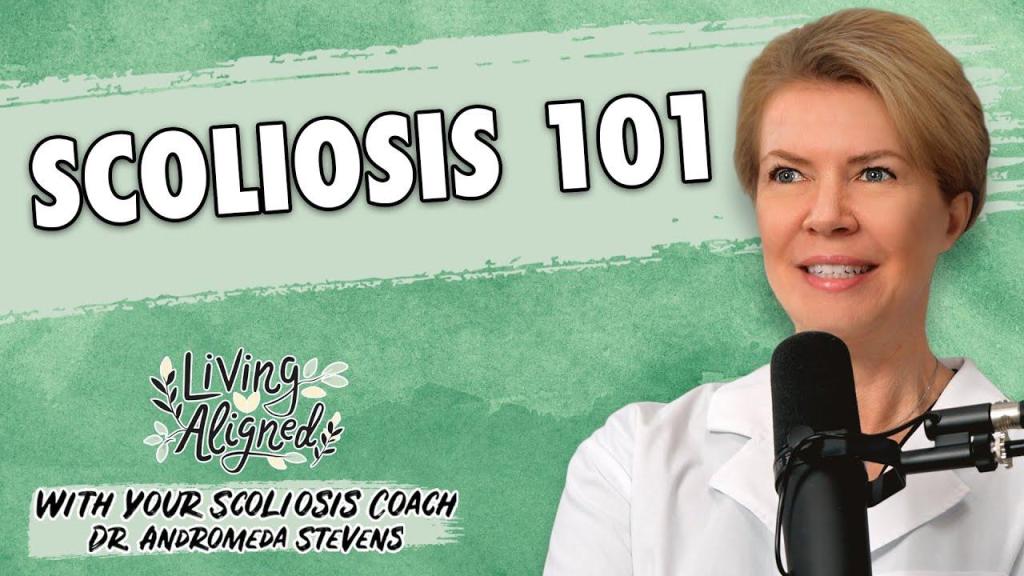
The internet has proven to be an invaluable resource. Patients of all ages and their families now have access to a vast network of support. From youngsters bravely sharing their journeys on platforms like TikTok to adults engaging in meaningful discussions with healthcare professionals through online forums, the digital realm has become a sanctuary for those seeking information and solace.
Remarkable initiatives have emerged, such as Higgy Bears, a company that crafts custom braces for children’s dolls, allowing them to mirror their real-life braces. This not only fosters a sense of normalcy but also sparks conversations and connections among children worldwide. The annual convention organized by Higgy Bears provides a unique opportunity for these young warriors to meet, share experiences, and forge friendships.
Moreover, in this age of information, there are numerous avenues for learning and connection. Books, podcasts, and online communities provide valuable insights and camaraderie for those affected by scoliosis.
While we embrace the digital age, we also recognize the timeless efficacy of the Schroth exercises, which were conceived over 80 years ago by Katharina Schroth. These exercises have stood the test of time, proving to be powerful and effective in enhancing physical and mental well-being. Sometimes, the most profound innovations are rooted in tradition.
In the ever-evolving world of scoliosis care, we remain committed to staying at the forefront of innovation. We invite you to explore more on this topic through our forthcoming podcasts, where we delve into exciting developments in areas like nutrition and vibrational therapy. Stay tuned for updates on “Living Aligned,” our podcast series.
To delve deeper into the world of scoliosis care and holistic well-being, I invite you to explore my book, available on Amazon. It’s a comprehensive guide to understanding scoliosis and embracing a path to a more aligned and empowered life.
Learn more:
Explore Dr. Steven’s book on Amazon: Link to Dr. Andromeda Stevens’ Book
Discover her podcast series “Living Aligned” for the latest insights:
Youtube: youtube.com/@livingalignedpodcast
Spotify (Audio and video podcast):
Apple Podcasts:
https://podcasts.apple.com/us/podcast/living-aligned-scoliosis-coach-podcast-with-dr/id1708269288
Dr. Steven’s final remarks, “Thank you for joining us on this journey of empowerment and holistic well-being. Together, we can continue to make strides in scoliosis care and support.”
 New York Herald
Leave a comment