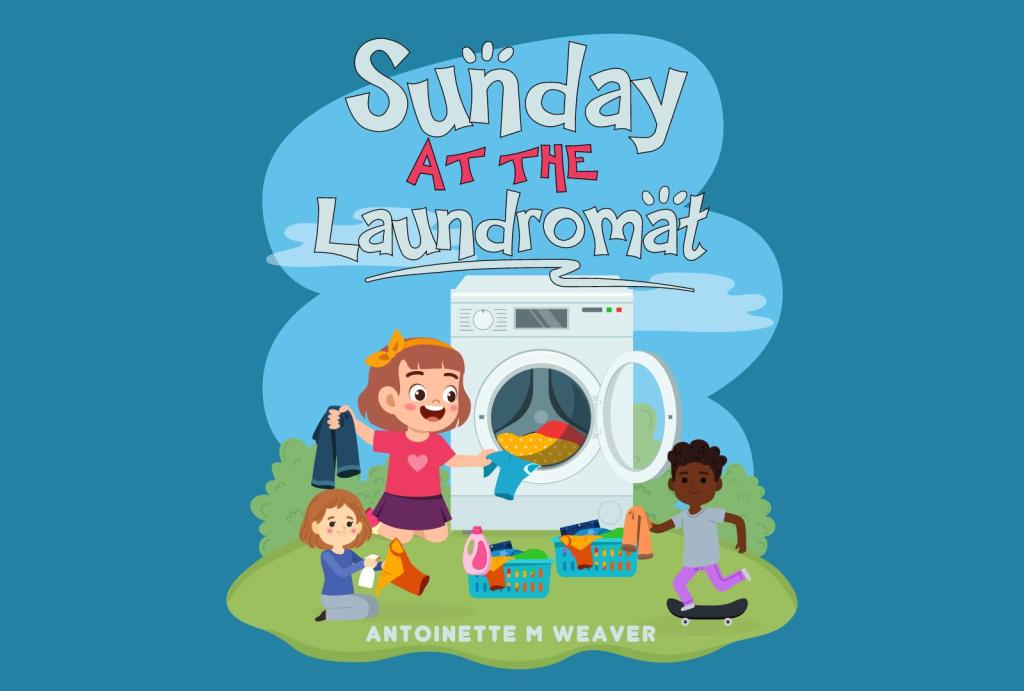
According to Mark Twain, “Kindness is a language which the deaf can hear, and the blind can see,” encapsulating compassion. Kindness and empathy go a long way in spreading positivity and influencing people’s lives. Children’s book authors play a prominent role in teaching and instilling moral values that encourage kindness. A new author, Antoinette M. Weaver, wrote “Sunday at the Laundromat,” a children’s book that epitomizes love and charity. As Weaver enters the literary limelight, her path and reasons reveal a personal story full of life lessons.
Weaver’s “Sunday at the Laundromat” goes beyond children’s literature. It is an endearing story that teaches children compassion, humility, and inclusion. In a laundry, the book turns ordinary tasks into important learning experiences for children and adults.
Antoinette M. Weaver was born in Princeton, New Jersey, on September 12, 1951. Her childhood was simple and humble. In a close-knit town, Weaver’s familial values, especially her mother’s compassion and altruism, molded her childhood. Her upbringing was not spectacular, but the values she experienced shaped her storytelling and focus on kindness and generosity.
Weaver dedicated several years to nursing after studying. Her nursing experience improved her nurturing abilities and sensitivity to others. She left nursing to become a unit coordinator, combining her medical and organizational skills. This major job change did not reduce her desire to help others; it gave her fresh views and possibilities to improve people’s lives.
Weaver centers her life on family. She fell in love with her future spouse at fifteen and married a decade later. They raised two children, whose development and achievements brought her enormous satisfaction. The fact that Weaver attends her children’s dancing performances and music classes shows her dedication to their success. Her long marriage and strong relationship with her children show love, perseverance, and respect.
A mundane visit to the laundromat inspired “Sunday at the Laundromat.” What was once a routine activity inspired Weaver to write a story about small but powerful gestures of compassion. Weaver realized the book could reach a wider audience and expanded it from a short story. A story about community and connection fits the laundry environment familiar to many.
“Sunday at the Laundromat” promotes compassion, charity, and diversity. Weaver highlights the significance of teaching children these principles early on, creating an atmosphere where diversity is cherished rather than criticized. The book tackles bullying and discrimination through character interactions, urging young readers to empathize. Every page shows Weaver’s conviction in kindness’s transforming potential to motivate youngsters and parents to practice it.
Tommy Jones, a little child, turns his Sunday trip to the laundry with his mother into a great adventure in “Sunday at the Laundromat.” Tommy learns about caring for others and enjoying his diverse neighborhood through simple but profound exchanges. Laundromat customers gather for a pizza party, showcasing the pleasure and companionship that come from shared experiences and support.
Tommy Jones leads the reader through the laundromat’s microcosm of community. His naïve outlook and sincere interest make him lovable. Kind Mr. Roberts, nurturing Mrs. Tailor, and helpful babysitter Jenny all support the story’s message of compassion. Weaver’s characters are based on her own life and her influences.
“Sunday at the Laundromat” characters represent Weaver’s loved ones. Tommy’s mother’s loving nature reflects Weaver’s background and ideals. With their eccentricities and charm, Mr. Roberts and Mrs. Tailor are like the individuals Weaver met in her town, each making an impression on her story. This mix of fantasy and truth deepens the plot and appeals to all ages.
Writing “Sunday at the Laundromat” was difficult for Weaver. Initially underestimating the project’s breadth, she experienced several challenges in realizing her vision. Weaver’s persistence and grit helped her overcome challenges, including finding the appropriate words to convey her message and navigating the publishing business. Her quest to share her experience progressed with milestones like finishing the book and finding a publisher.
Weaver believes “Sunday at the Laundromat” will draw new readers and drive constructive change. She wants the book to be utilized in schools and community activities to promote compassion and understanding. Weaver hopes to include activity guides and discussion questions to assist parents and teachers in maximizing the book’s educational value.
Antoinette M. Weaver’s first book, “Sunday at the Laundromat,” celebrates generosity and camaraderie. Through Tommy Jones’ simple yet meaningful laundromat story, Weaver teaches empathy, kindness, and diversity. Her transition from nursing to children’s book author shows her dedication to assisting others.
“Sunday at the Laundromat” appeals to love and compassion for all ages, not just youngsters. Weaver shows us that even modest acts of kindness can generate positive change and turn everyday interactions into chances for connection and development. In an increasingly complicated world, Weaver’s ideals are more crucial than ever, reminding us of our humanity.
Weaver advises readers to practice and teach kindness beyond reading the book. Simple gestures of charity at a laundry or elsewhere can make a big difference. Antoinette M. Weaver’s children’s book debut reminds us that compassion and community are essential to harmony. Her book encourages us to be kind, empathetic, and helpful daily to brighten someone’s life.




 New York Herald
Leave a comment