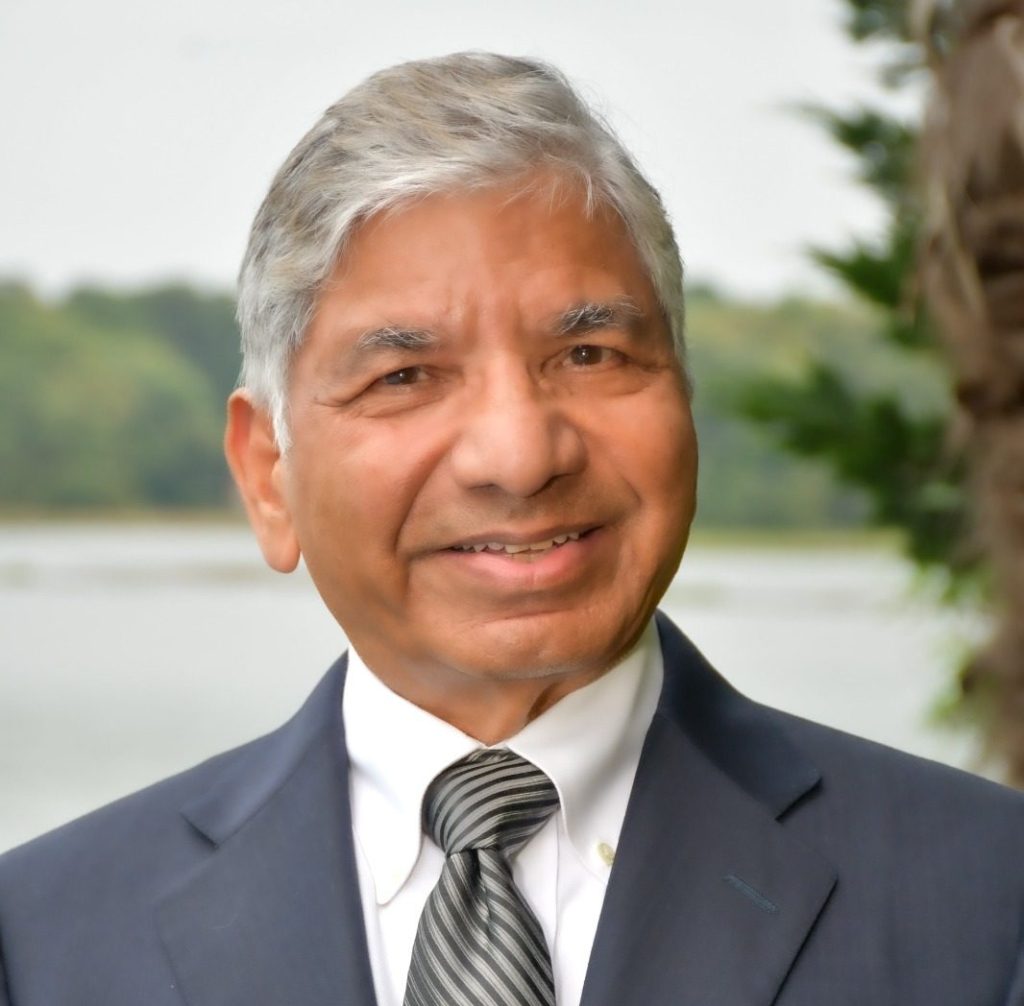
The Fork Over The Scalpel
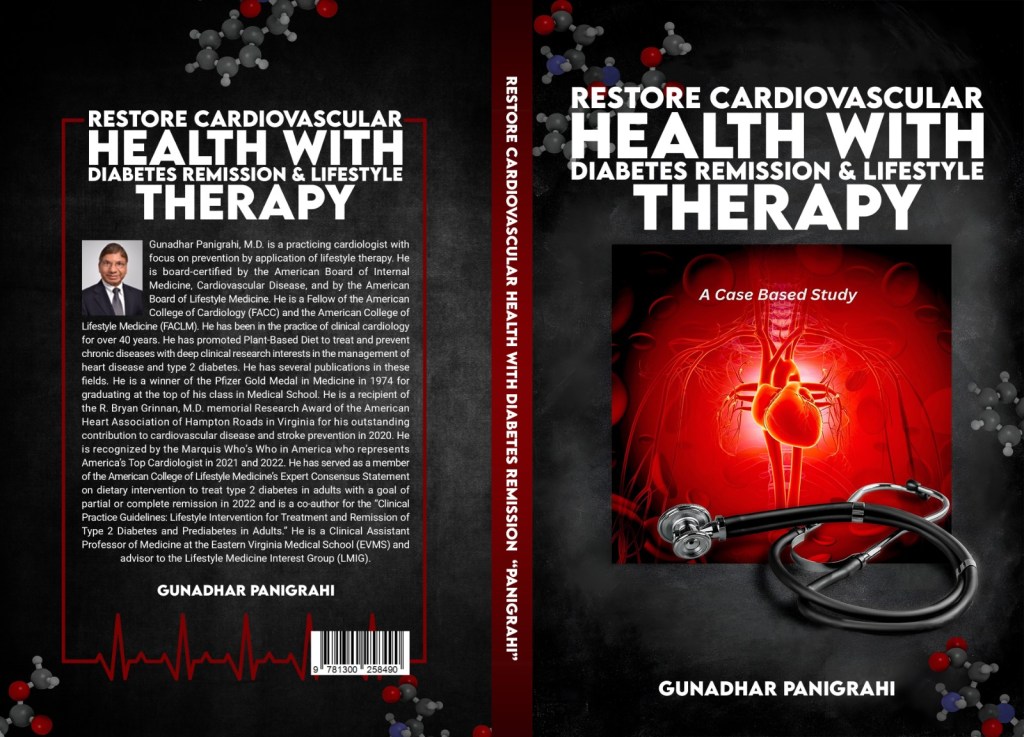
In an era of medical marvels dominated by advanced pharmaceuticals and cutting-edge procedures, Dr. Gunadhar Panigrahi, a cardiologist and lifestyle medicine specialist, is making a persuasive case for a more fundamental intervention: the fork. His new work, a detailed case study compilation titled “Restore Cardiovascular Health With Diabetes Remission By Lifestyle Therapy,” presents a compelling argument that Type 2 diabetes a chronic, progressive disease that drives much of the nation’s heart disease epidemic, is not always a life sentence. Through the meticulous documentation of 35 patient cases, Dr. Panigrahi demonstrates that a structured, whole food, plant-based diet can not only manage but often reverse the condition.
A Physician’s Education
The manuscript is more than a clinical report; it is the culmination of a decades-long professional journey and a personal philosophy of healing. Dr. Panigrahi’s approach is deeply rooted in the belief that the patient is the physician’s best teacher. His introductory remarks point to the origin of this state of mind, recalling his day as an Indian medical student in the early 1970s, when he investigated a high rate of miscarriages in one ethnic group. His curiosity led him to identify the cause as Sickle Cell Disease, and the experience marked the beginning of a lifelong interest in deciphering the tangled threads between lifestyle, heredity, and health. And now he applies the same investigative skill to what he sees as the great plague of our era: cardiometabolic disease fueled by the Western diet.
The Protocol for Remission
Dr. Panigrahi’s solution is built on six pillars: a whole-food, plant-based (WFPB) diet, regular physical activity, effective stress management, avoidance of risky substances, restorative sleep, and positive social connections. The core of his intervention is the diet: a nutrition plan comprising approximately 75% complex carbohydrates, 15% protein, and 10% fat, rich in fiber (35–40 grams daily), and devoid of animal products, added oils; minimizing processed foods and avoiding ultra-processed foods and drinks (UPFD).
The findings reported in his cases are dramatic:
- A 76-year-old man with a history of heart attacks, several coronary stents, bypass surgery, heart failure, and carotid artery disease improved his heart functioning remarkably. He gained remission from diabetes without any further procedure for more than seven years.
- Another patient, who had had 16 operations for a critical diabetic foot ulcer and was likely to be amputated, went into remission, which enabled his sores to heal finally and his kidneys’ function to stabilize.
- Case 4: One remarkable case illustrates the reversal of Macular Edema with Impaired Vision, a common diabetic complication and leading cause of adult blindness, achieved through diabetes remission with a plant-based diet and lifestyle changes. She no longer required the costly monthly eye injections (each Elyea treatment costs approximately $1,000.00) and, most importantly, restored her eyesight.
The Science on the Plate
Most illuminating of all is the manuscript’s insight into why it works. Dr. Panigrahi provides detailed insights into the science, explaining how hyperglycemia damages the protective glycocalyx that lines our blood vessels, leading to inflammation and atherosclerosis. He demonstrates how intramyocellular fat, or ectopic fat within muscle cells, interferes with insulin signaling, an effect that can be mitigated by reducing calorie intake and increasing physical activity. He quotes research demonstrating that high-protein, low-carbohydrate diets can speed up arterial plaque independent of traditional cholesterol mechanisms, and how TMAO and Neu5Gc from animal foods drive inflammation and vascular injury.
A Balanced, Clinical Approach
The tone of the book is relatively measured and clinical, and eschews extremism. Dr. Panigrahi is not proposing a wholesale abandonment of conventional medicine; most of his patients continue on essential heart medications. Instead, he places lifestyle therapy as an intense, evidence-based foundational therapy that can synergistically interact with traditional care, typically reducing the disease burden to the point where one requires fewer medications. The case studies are refreshingly candid, recording not only successes but the frustrations of long-term lifestyle change. Others had miserable years before embracing the diet, and one case, unfortunately, illustrates that though diabetes was successfully reversed, severe neurological complications of decades of previous damage were not.
Medicine’s Highest CallingFor Dr. Panigrahi, this work is a return to what he sees as medicine’s highest calling. He quotes 18th-century physician Samuel Hahnemann in his preface: “The physician’s highest calling, his only calling, is to make sick people healthy — to heal, as it is termed.” In this meticulously detailed manuscript, Dr. Panigrahi provides a roadmap for that healing, arguing that one of our most potent tools for combating chronic disease has been on our plates all along. His work suggests that for many, the path to remission may not be found in a new pill, but in a new plate filled with fruits, potatoes, beans, greens, grains and small quantity of seeds and nuts.

 New York Herald
Leave a comment