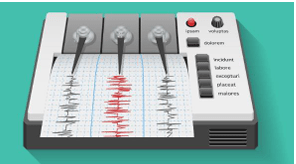
For more than a century, the polygraph has occupied a curious place between science and psychology. What began as a set of experiments to measure how the body reacts under stress eventually became a structured tool used to test truthfulness. Over those decades, the practice of polygraphy has faced constant change and scrutiny, growing
through research, training, and ethical discipline. Within that evolution, the work of Global Polygraph Network, led by Michael Martin, stands as a model for how the field can mature with integrity and consistency.
From Early Curiosity to Professional Practice
In the late 1800s, researchers such as Angelo Mosso and Cesare Lombroso began exploring the idea that physical responses could reveal emotion. By the 1930s, inventors like Leonarde Keeler had developed machines that could record breathing, pulse, and perspiration at the same time, creating the foundation of the modern polygraph. For years, though, testing methods were uneven and public confidence was uncertain.
When Michael Martin entered the field in the early 1980s, he noticed the lack of reliable standards among private examiners. His answer was to focus on professional training and ethical consistency. He founded what later became Global Polygraph Network in 1987, creating a structure that would bring examiners together under shared procedures and accountability. The company has since grown into a worldwide referral system with hundreds of qualified examiners and a reputation for precision.
Setting New Expectations
At the time of GPN’s founding, polygraph testing was often misunderstood and occasionally misused. Martin’s approach was to insist on high standards that could withstand scrutiny. Every examiner affiliated with GPN must graduate from a school accredited by the American Polygraph Association and use testing methods approved by scientific research. Each applicant is screened for skill, experience, and integrity, and many who apply are turned away. Those who are accepted must continue education throughout their careers to stay aligned with current research.
This careful structure gave the polygraph industry something it had long lacked: a dependable model for professionalism. GPN’s adherence to tested procedures also helped reduce the confusion surrounding unreliable alternatives such as voice stress analysis and over the phone testing, which scientific studies have found to be inaccurate. The lesson was clear: accuracy comes from verified methods, not shortcuts.
Technology and Training Evolve Together
As the instruments themselves moved from paper charts to digital sensors, GPN kept pace with each shift. The company adopted new hardware and software tools while maintaining a focus on the examiner’s role as an interpreter rather than a technician. The data a polygraph produces means little without a qualified professional who understands the human element behind the readings.
This philosophy has guided GPN for decades. Martin often describes the polygraph as a science informed by empathy. His publications, Polygraph Theory (1994) and PDD Testing for Domestic Issues (2019), explain that an examiner’s ability to connect with the subject, remain impartial, and apply clear questioning is as vital as the machine’s design.
Expanding Beyond Borders
By the early 2000s, GPN’s network had extended far beyond its American base. The organization began coordinating testing across North America and later into Europe, Asia, and the Caribbean. One notable project involved vetting police recruits for the Jamaica Constabulary Force, a task that required understanding both cultural and procedural differences. The company has also handled specialized testing in high profile settings such as the White Marlin Open, one of the largest fishing tournaments in the world.
These experiences demonstrated that consistent procedures could succeed even when applied internationally. Each case reinforced GPN’s belief that the polygraph’s credibility depends on fairness, transparency, and respect for local context.
Lessons Learned Over Four Decades
Looking back, the path of Global Polygraph Network mirrors the wider story of polygraph testing itself. What began as a personal effort by one examiner to maintain high standards became a worldwide system recognized for accuracy and trust. The network’s growth has been steady rather than sudden, guided by the same principles that shaped it at the beginning: solid science, ethical conduct, and continuing education.
Martin’s long career, which includes more than eleven thousand examinations, has shown how progress in technology must always be matched by progress in professionalism. The polygraph is not infallible, but in the right hands, it remains the most reliable tool available for evaluating truthfulness. The success of GPN lies in combining modern equipment with human understanding.
A Continuing Role in a Changing Field
Today, from its headquarters in Elmira, New York, Global Polygraph Network continues to provide services through more than five hundred testing locations worldwide. The organization operates as a Pennsylvania-based corporation with headquarters in Elmira, New York. Its commitment to training and ethical practice has helped preserve confidence in a field that depends entirely on trust.
The evolution of polygraph testing has been marked by both skepticism and discovery, and GPN’s forty-year legacy offers a practical lesson in how science and integrity must work together. As Michael Martin often notes, truth verification is not only about technology but also about the character of the people who use it. In that balance between precision and humanity, the Global Polygraph Network has found its enduring purpose.




 New York Herald
Leave a comment