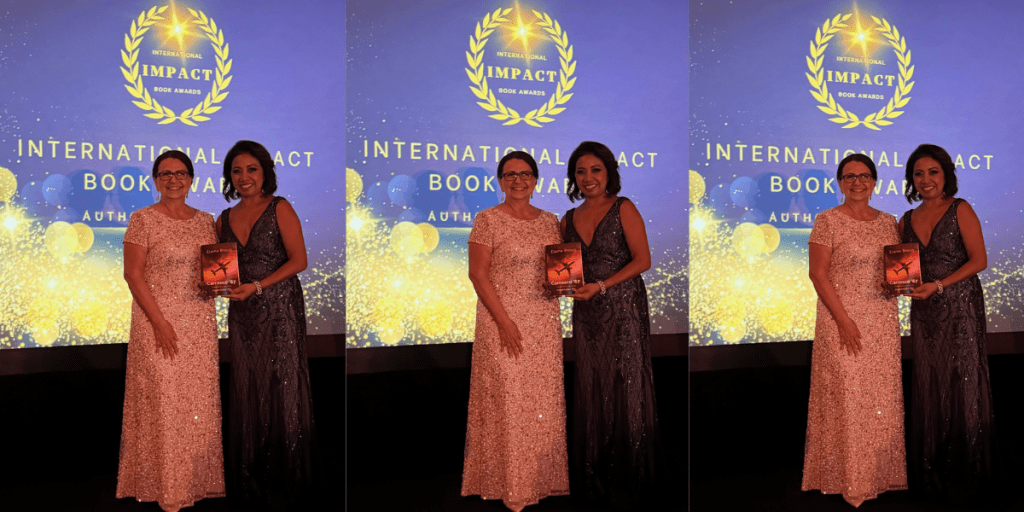
Some stories are not written for recognition or literary ambition. They are written because silence becomes heavier than fear. Carrasco 67’, the psychological suspense thriller by Kimberly Elaine Brown Blaine, is one such story, a deeply personal narrative rooted in real events that unfolded during Uruguay’s turbulent 1960s, when political extremism and covert operations reshaped the lives of ordinary families.
The novel is inspired by Brown Blaine’s own childhood, marked by secrecy, surveillance, and a constant awareness of danger. Raised in an environment where bodyguards were necessary and daily routines were overshadowed by threats, she learned early that survival often depended on silence. Her family was warned by both the CIA and the Uruguayan military never to disclose what they had experienced, as retaliation was a real and ongoing risk. For decades, that warning was obeyed.
Carrasco 67’ represents a breaking of that silence. Written under a pen name and with altered details to protect those involved, the book blends psychological suspense with historical fiction, offering readers an intimate look at the emotional and psychological aftermath of political violence. While certain facts were necessarily obscured, the fear, confusion, and trauma portrayed in the story remain unfiltered and deeply authentic.
From a young age, Brown Blaine was drawn to understanding people—what shapes them, what breaks them, and how they survive. Her fascination with autobiographies, historical artifacts, and old architecture reflects a lifelong interest in the layers of human experience. That curiosity was intensified by her own lived trauma, which later became the emotional foundation of her writing.
The creative journey behind Carrasco 67’ was both cathartic and constrained. One of the greatest challenges was honoring an agreement made with her father, who allowed the story to be told only if names were changed, sensitive details omitted, and a pen name used. These limitations forced Brown Blaine to focus not on exposing facts, but on conveying emotional truth. In doing so, the narrative transcends its historical setting and speaks to a broader human experience.
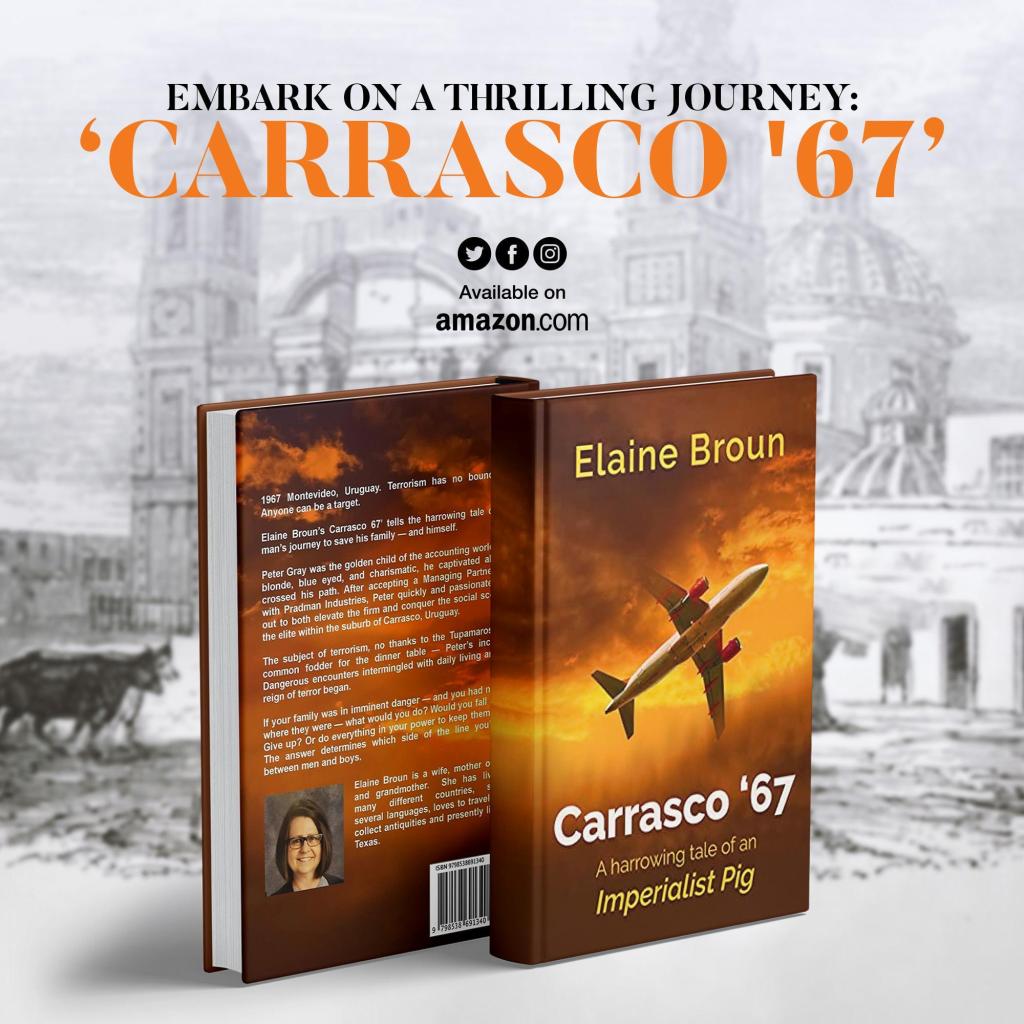
At its core, Carrasco 67’ is a meditation on fear, power, and the long shadow of trauma. Brown Blaine hopes readers will recognize that events like those depicted in the book are not isolated to one country or era. She draws subtle parallels between Uruguay’s past and the growing political polarization seen around the world today, illustrating how movements born from grievance can escalate into violence when values, empathy, and accountability erode.
The book was written for many readers, but its most important audience was deeply personal. Brown Blaine wrote it for her mother, honoring a wish expressed before her passing: that their family’s story be told, even if their names were never widely known. That promise became the emotional anchor of the book and continues to guide Brown Blaine’s work as an author.
Beyond storytelling, Brown Blaine is driven by a broader mission to raise awareness about the lasting effects of trauma, particularly post-traumatic stress disorder. She speaks candidly about her brother’s experience, whose untreated PTSD eventually contributed to severe cognitive decline. Through her writing, she advocates for better education, early intervention, and stronger support systems for individuals and families affected by trauma.
Now continuing her literary work under her pen name, Brown Blaine recently released a second psychological suspense thriller, Let Me Go, expanding her exploration of memory, identity, and survival. Together, her novels form a body of work that refuses to sensationalize suffering, instead offering a thoughtful and uncompromising look at its consequences.
Carrasco 67’ stands as both a historical reckoning and a moral reminder: that silence may protect in the moment, but telling the story is often the only path toward understanding and healing.


 New York Herald
Leave a comment