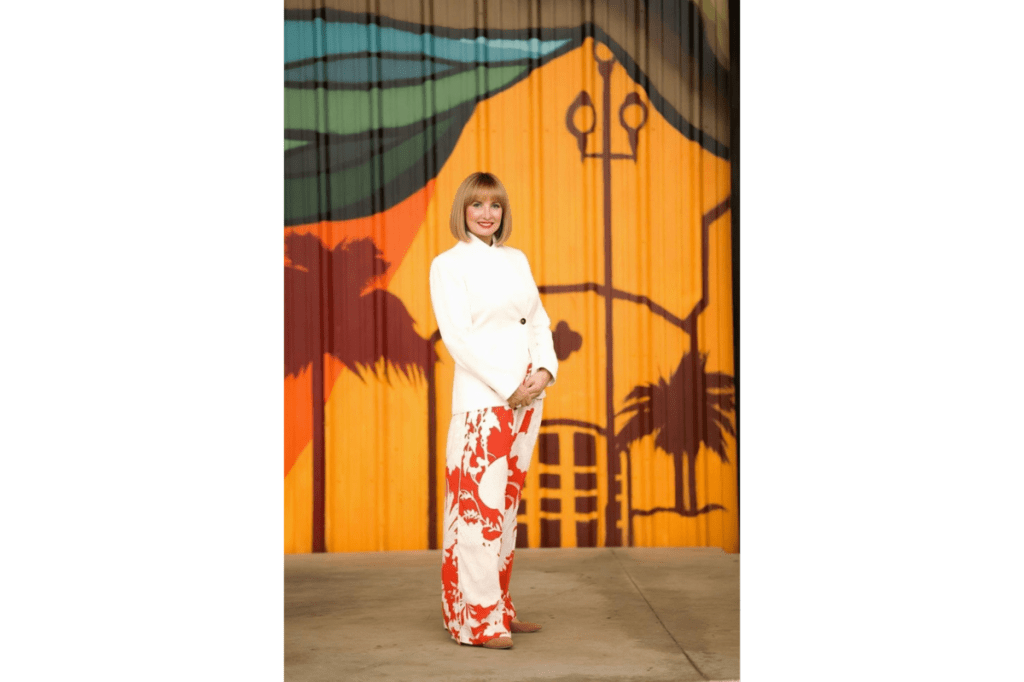
A powerful new voice is helping artists reclaim ownership of their careers, their value, and their future
In a cultural moment where creativity has never been more visible yet often remains structurally unsupported, artist and author Lauren Strock is bringing clarity to a space long defined by ambiguity. Her new book, The Business of Art, recently recognized by the International Impact Book Awards, offers artists something rarely given to them: a roadmap not just for creating meaningful work, but for sustaining it.
Based in Bronxville, New York, Strock has built her career at the intersection of emotional expression and professional structure. But her decision to write this book did not come from abstract theory. It came from lived experience, observation, and a growing awareness of a critical gap in the creative world.
“The Business of Art grew out of both my personal journey as an artist and years of observing the struggles of other creatives,” Strock explains. “I saw incredibly talented people lose momentum, confidence, and sometimes their entire practic, not because they lacked ability, but because they were never taught how the art world actually functions.”
Her insight touches on a quiet but pervasive truth. Many artists are trained to create, but few are taught how to navigate pricing, positioning, representation, or long-term sustainability. The result is not a lack of talent, but a lack of infrastructure. Strock’s mission is to change that narrative.
Turning Experience Into Empowerment
Writing The Business of Art was not a linear process. It evolved through reflection, research, and conversations with curators, gallerists, and fellow artists. Strock approached the project as both storyteller and strategist, weaving together emotional truths with actionable frameworks.
Her process unfolded in layers. First came the raw observations drawn from her own career and the stories of others. Then came structure,clear, practical systems designed to help artists understand not only how to create, but how to position themselves within a complex and rapidly evolving marketplace.
What emerged was something more than a guide. It became a philosophy.
One of the most transformative breakthroughs, Strock says, was challenging the long-standing myth that business somehow diminishes artistic integrity.
“Business doesn’t replace creativity,” she says. “It protects it.”
This shift in perspective became the foundation of the book’s message. Rather than framing business as a compromise, Strock reframes it as a tool for autonomy. Structure, in her view, is not the opposite of creativity. It is what allows creativity to endure.
A Timely Message for a Changing Creative Economy
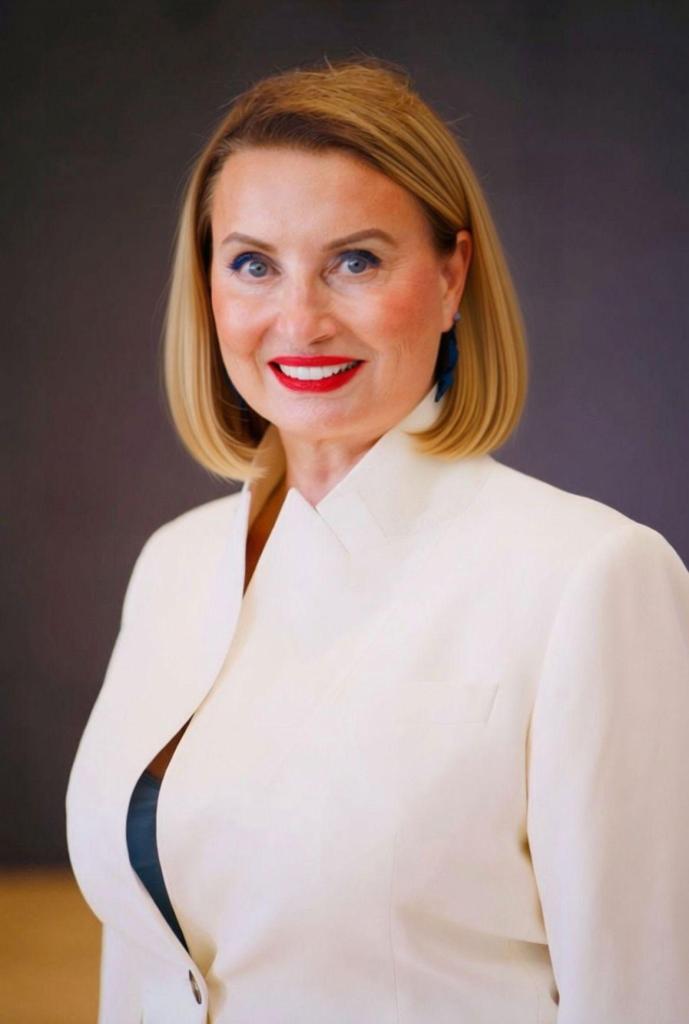
Strock’s work arrives at a pivotal moment. Digital platforms have expanded visibility, allowing artists to reach global audiences without traditional gatekeepers. Yet with that freedom comes uncertainty. Many creatives now operate without clear pathways, navigating careers that are both more open and more isolating than ever before.
Her book speaks directly to this paradox.
“We are living in a time where creative industries are expanding globally, yet individual artists are often more isolated than ever,” she explains. “The traditional pathways have shifted, and many creatives are left to build careers without maps.”
By offering clarity and transparency, Strock is helping artists see themselves not just as creators, but as professionals with agency. Her message resonates across disciplines, from visual artists and designers to writers, musicians, and emerging creative entrepreneurs.
At its core, the book delivers a simple but powerful truth: artists do not need permission to take themselves seriously.
“Artists don’t fail from lack of talent,” Strock says. “They disappear from lack of structure.”
Protecting Creativity by Strengthening Identity
Beyond practical strategies, Strock’s work is rooted in a deeper cultural mission. She believes that supporting artists is not only about individual success, but about preserving creative voices that shape society itself.
Her goal is to normalize the idea that artists can thrive emotionally, professionally, and economically. In doing so, she challenges outdated narratives that romanticize struggle while overlooking sustainability.
This perspective reflects a broader shift in how creative work is valued. Increasingly, artists are redefining success on their own terms, building careers that integrate creative fulfillment with financial independence and long-term stability.
Strock’s contribution to this shift is both timely and essential. She is not simply teaching artists how to survive within existing systems. She is helping them reimagine what those systems can become.
Looking Ahead: Building a Lasting Creative Legacy
Strock’s journey is far from complete. She is currently working on a watercolor series titled The Roots of Baltic Spirit, exploring themes of heritage, resilience, and architecture. At the same time, she has begun developing her next book, which will feature interviews with gallery owners, offering artists rare insight into how representation decisions are made.
Through each project, her mission remains consistent: to empower artists with knowledge, clarity, and confidence.
Her work reflects a belief that creativity is not fragile, but resilient. That artists are not outsiders, but essential contributors to culture. And that when supported with the right tools, creative voices do not fade. They expand.
In a world where artistic careers are being rewritten in real time, Lauren Strock is helping ensure that artists are not only seen but sustained.

 New York Herald
Leave a comment