Chiapas’ presence at the International Tourism Fair (FITUR), held in Madrid, Spain, marked a turning point in how the state presents itself to the world. It was not merely an institutional appearance at the most important tourism fair on the planet, but a deliberate cultural positioning effort that succeeded in placing Chiapas within the international conversation through a clear narrative: its true value lies in the depth of its identity.
Before representatives from more than 150 countries, Chiapas chose to showcase what cannot be replicated or imitated. Its Mayan heritage, living traditions, gastronomy, dances, and—above all—its people became the central pillars of a strategy that recognizes that contemporary tourism is no longer driven solely by destinations, but by meaningful stories and experiences.
This participation was promoted by the state government, led by Governor Eduardo Ramírez Aguilar, and articulated through the Ministry of Tourism under the direction of María Eugenia Culebro. The objective was precise: to reposition Chiapas as a high-value cultural destination within an increasingly competitive and demanding global market.
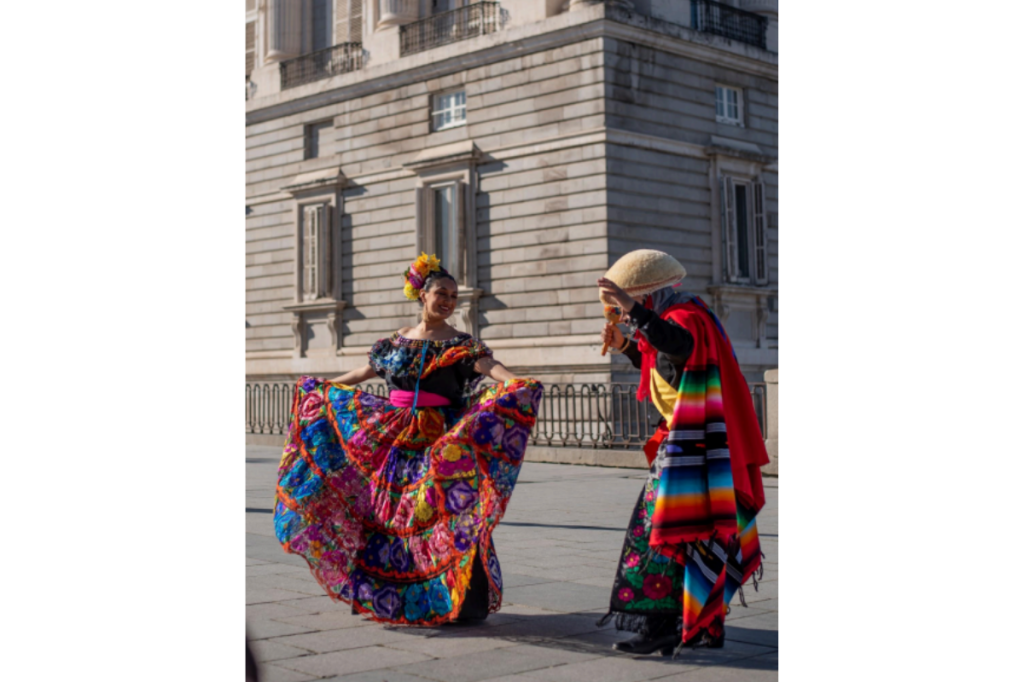
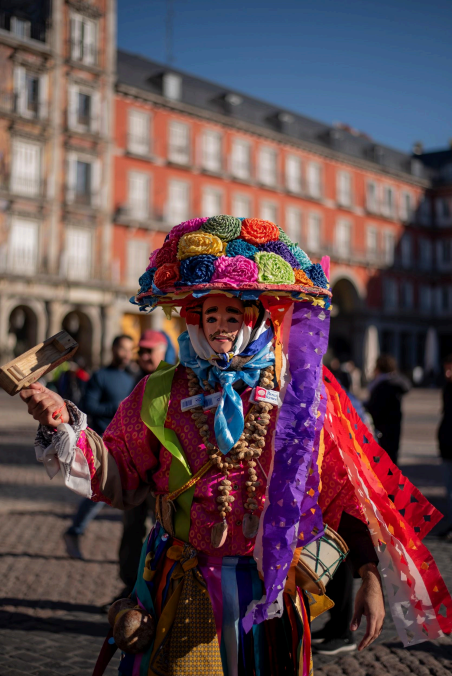
Unlike other states or countries that focus their efforts exclusively within the fairgrounds, Chiapas expanded its presence into the urban landscape. Cultural activations throughout the streets of Madrid, artistic performances, billboards, digital screens, and a sustained social media campaign ensured that the name of the state reached far beyond the specialized tourism audience. For several days, Chiapas was, quite literally, everywhere.
The results were measurable. In just five days, more than 13.6 million people engaged with digital content related to the campaign, while nearly 255,000 FITUR attendees had direct contact with the Chiapas showcase. These figures reflect not only reach, but genuine interest—an essential metric in an industry where attention is increasingly difficult to capture.
Beyond the numbers, however, the most significant impact was the public’s response. Amazement, curiosity, and a clear intention to visit were recurring reactions among visitors and digital audiences alike. Chiapas managed to establish an emotional connection with international audiences by presenting itself not as an exotic destination, but as a territory defined by history, identity, and cultural richness experienced in everyday life.
This return to the international stage comes after years in which Chiapas maintained a relatively discreet presence in major tourism forums. Its strong reemergence at FITUR invites a broader discussion about the role of narrative in destination promotion. It is not simply about being present, but about how a place is told, which values are emphasized, and what purpose guides that storytelling.
In this sense, Chiapas opted for a narrative that prioritizes culture over superficial appeal. Its Mayan heritage was not presented as a relic of the past, but as a living foundation that
continues to shape the state’s identity. Dances and traditions were not framed as folklore, but as contemporary expressions of communities that preserve and renew their legacy.
Gastronomy also played a central role—not merely as a tourist attraction, but as a cultural expression. Flavors, ingredients, and ancestral techniques entered into dialogue with a modern vision that understands cuisine as both heritage and a driver of local development.
This strategy aligns with a global trend: travelers increasingly seek authentic experiences, destinations with a clear identity, and proposals that respect local communities. Chiapas, with its cultural and natural diversity, fits organically into this profile. The key challenge will be sustaining this narrative beyond the event itself and translating the interest generated into tangible benefits for the state’s regions.
The message was delivered with clarity: Chiapas is unique, and if one travels to Mexico, it is a destination that must be visited. Not as a tourism mandate, but as an invitation to discover an essential part of the country—an invitation that, at FITUR, resonated strongly with international audiences now seeking to travel with greater awareness and depth.
The immediate challenge will be to consolidate this positioning. International visibility opens doors, but it also demands consistency, long-term planning, and a commitment to ensuring that tourism growth translates into inclusive and sustainable development.




 New York Herald
Leave a comment